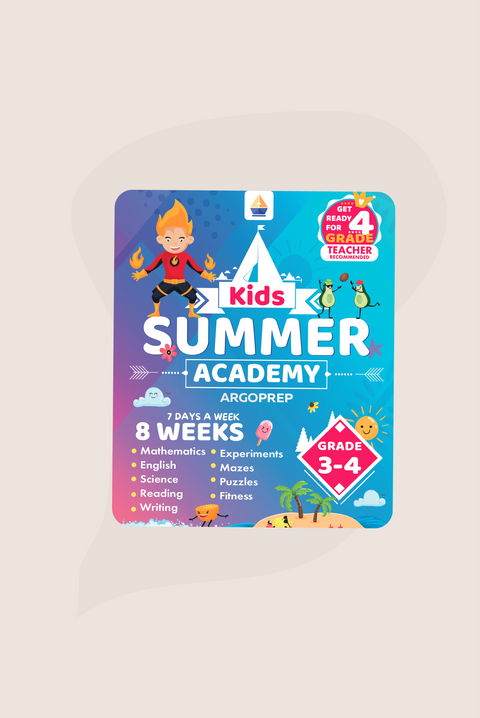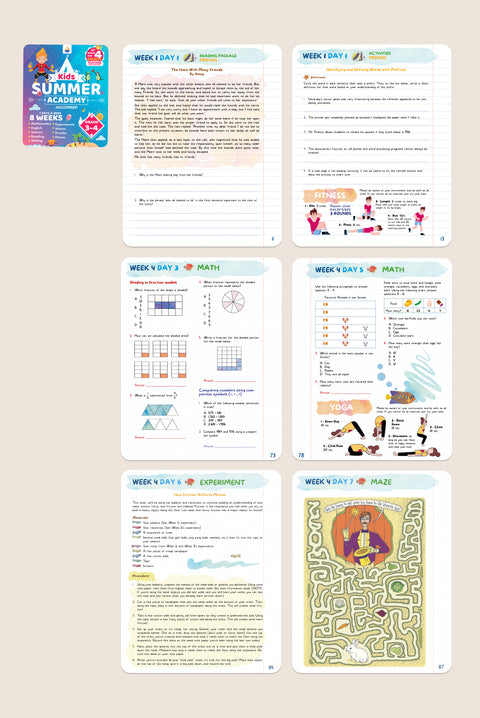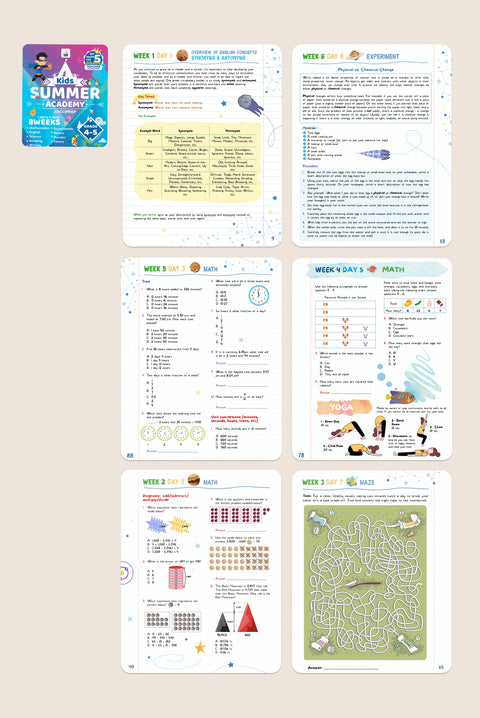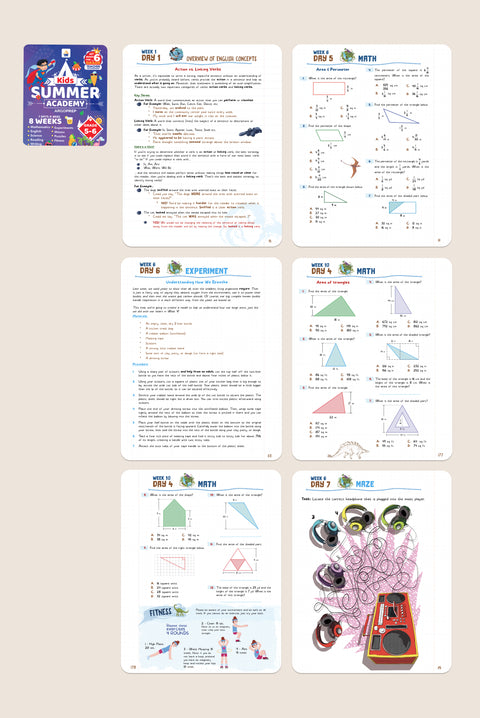






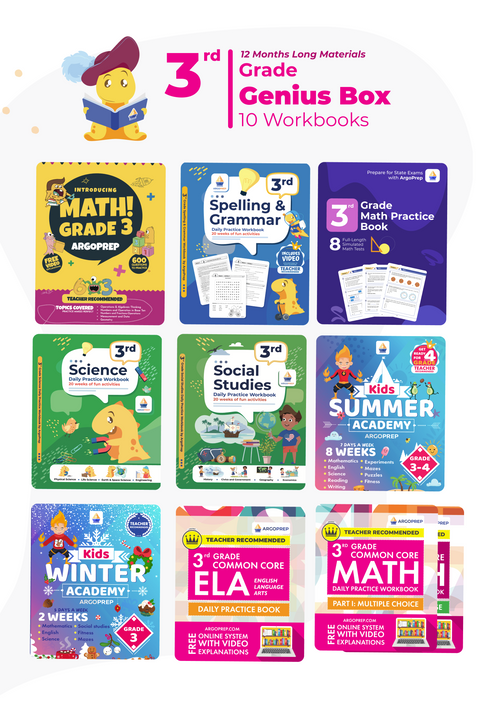

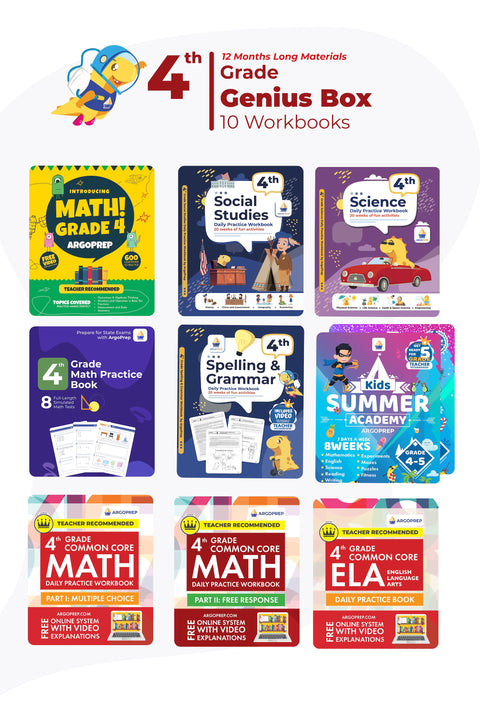









Fourth grade is the year reading becomes the tool for every other subject. Here is what fluency, comprehension, vocabulary, and writing should look like by spring, and what to do if your child is behind.

|
|
Time to read 2 min
The landscape of education in Alabama is undergoing a historic transformation with the introduction of the CHOOSE Act (Creating Hope and Opportunity for Our Students' Education Act). Signed into law by Governor Kay Ivey on March 7, 2024, this groundbreaking legislation establishes Alabama as the 14th state to implement Education Savings Accounts (ESAs), marking a significant advancement in educational choice and opportunity.
The CHOOSE Act represents a thoughtful approach to educational advancement, introducing ESAs as refundable income tax credits that empower families to make meaningful choices about their children's education. This innovative program reflects Alabama's commitment to educational excellence and family empowerment through the Alabama Department of Revenue 's oversight.
The 2025-2026 academic year will usher in a comprehensive funding structure designed to support diverse educational paths. The program provides substantial financial support through two primary channels:
Traditional School Enrollment: Participating students are eligible for $7,000 in educational funding, applicable toward approved educational expenses.
Home Education Programs: Families choosing home education may receive $2,000 per participating student, with a maximum family allocation of $4,000.
The Alabama CHOOSE Act introduces a strategic implementation plan that ensures equitable access while prioritizing specific student populations:
First Priority: The initial 500 ESAs are designated for students with special needs, ensuring support for those requiring specialized educational approaches.
Second Priority: Children of active-duty service members receive consideration, particularly those assigned to priority school zones as defined in Section 16-6D-4 of the Alabama Code.
Third Priority: Remaining ESAs are allocated based on family adjusted gross income, extending eligibility to those not exceeding 300% of the federal poverty level from the preceding tax year, as defined by the U.S. Department of Health and Human Services .
The Alabama Department of Revenue has developed an efficient digital platform at chooseact.alabama.gov to facilitate program participation. The implementation timeline includes:
Governor Kay Ivey's endorsement of the CHOOSE Act reflects a broader vision for educational excellence in Alabama. The program aligns with the Alabama State Department of Education 's commitment to providing quality education options for all students.
The CHOOSE Act offers considerable flexibility in educational expenditure, accommodating various approved educational services. For a complete list of approved providers, visit the CHOOSE Act Provider Directory.
Prospective participants are encouraged to prepare for the application process by assembling necessary documentation. Visit the CHOOSE Act Documentation Guide for detailed requirements.
As the program advances into its second year (2026-2027), it will maintain continuity for existing participants while expanding opportunities for new applicants. Program updates will be posted regularly on the CHOOSE Act News Portal .
The Alabama Department of Revenue maintains comprehensive program information through their official website. For updates and announcements, follow:
For more information about education in Alabama:
For detailed legal information about the CHOOSE Act:
Note: This information reflects program details as of March 2024. Program specifications may be refined as implementation proceeds. Please consult the official program website for current information.
Fourth grade is the year reading becomes the tool for every other subject. Here is what fluency, comprehension, vocabulary, and writing should look like by spring, and what to do if your child is behind.

September is when the grade-level worry shows up. Here are three checks you can run at your kitchen table this week, plus how to read the results without overreacting.
A refundable $1,000 per child is waiting for Oklahoma homeschoolers who keep the right receipts. Here is the folder, the numbers, and the filing timeline.
The Wyoming Supreme Court cleared the way in May 2026, and $7,000 per student is available again. Here's how homeschool families apply, shop the Odyssey marketplace, and stay on the right side of Wyoming's updated homeschool law.